Commercial Solar Projects in Pakistan: A 2026 Playbook for Businesses
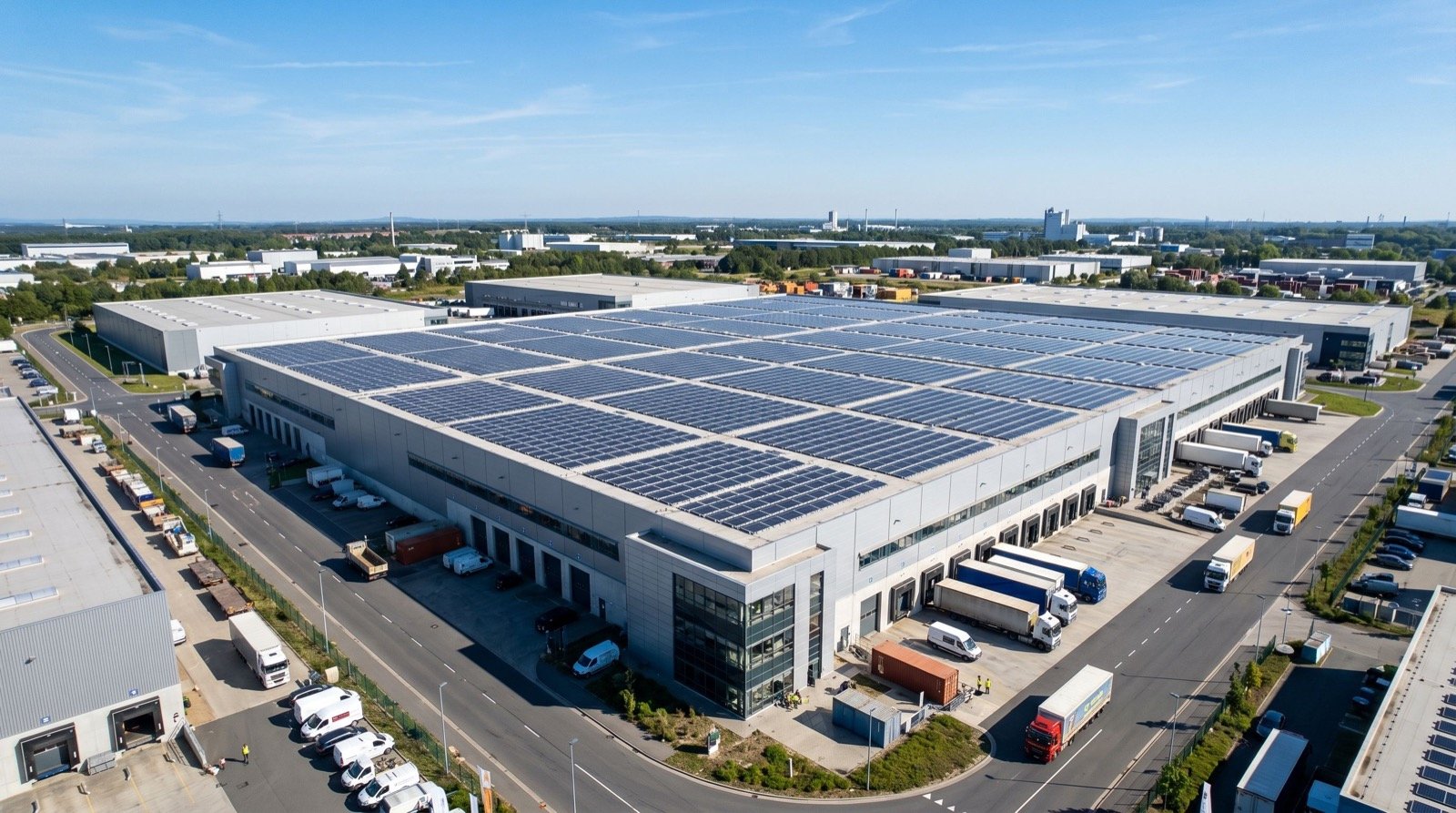
Factories, warehouses, and offices in Pakistan spend a punishing share of their budgets on electricity. Solar has turned that cost into an opportunity. Well-planned solar projects in Pakistan now deliver payback periods short enough to satisfy even cautious finance teams.
This playbook walks business owners through the full journey, from feasibility to commissioning. It focuses on the decisions that actually move the return on investment rather than the marketing gloss.
Why Commercial Solar Projects Make Sense in 2026
Industrial tariffs have risen steadily, and diesel backup remains expensive and dirty. Solar sidesteps both problems. A rooftop array producing power at a fraction of grid cost protects a business from tariff shocks for two decades.
The economics improved further as panel prices fell and financing matured. Many Pakistani firms now report payback inside four to six years, after which the electricity is effectively free for the remaining panel life.
The Strategic Benefits Beyond the Bill
- Cost predictability: lock in energy costs and plan budgets with confidence.
- Brand value: customers and multinationals increasingly favour green suppliers.
- Uptime: paired with storage, solar keeps production lines running during outages.
- Asset value: a solar-equipped building commands stronger resale and rental interest.
How Do You Plan a Commercial Solar Project?
Every successful project starts with data, not guesswork. Pull twelve months of electricity bills to understand your load profile, then map your available roof or ground space. These two inputs decide the realistic system size.
Next comes a structural and shading assessment. An engineer confirms the roof can carry the load and checks for obstructions that steal sunlight. Only then does system design begin in earnest.
The Phased Project Roadmap
- Feasibility: audit consumption, roof, and budget.
- Design: size the array, inverters, and any storage.
- Approvals: file net-metering and DISCO paperwork.
- Procurement: lock in tier-one panels and inverters.
- Installation: mount, wire, and safety-test the system.
- Commissioning: connect, monitor, and train staff.
Comparing Commercial Solar System Options
Businesses generally choose between three configurations. The table clarifies which suits different priorities and cash-flow situations.
| System Type | Upfront Cost | Backup Ability | Best For | Typical Payback |
|---|---|---|---|---|
| On-grid | Lowest | None during outage | Firms with stable grid supply | 3–5 years |
| Hybrid | Medium | Critical loads covered | Manufacturers needing uptime | 5–7 years |
| Off-grid | Highest | Full independence | Remote sites, no reliable grid | 6–9 years |
For most urban businesses, an on-grid or hybrid system with net metering gives the strongest return. Off-grid suits remote facilities where extending the grid is costly.
Financing and Incentives to Know
Capital no longer has to be a barrier. Banks and leasing firms offer solar-specific products, and net metering lets you sell surplus energy back to the grid. The State Bank of Pakistan has historically supported renewable financing through refinance schemes, and you can review current facilities on the State Bank of Pakistan website.
Compare a cash purchase against financing on total cost, not monthly instalments alone. A cash buy maximises lifetime savings, while financing preserves working capital for core operations.
Choosing the Right Partner
The installer you pick matters as much as the hardware. An experienced solar company in Islamabad brings engineering rigour, genuine tier-one components, and long-term service. Engaging quality service providers from the start prevents the costly rework that plagues bargain installations.
- Ask for references from similar commercial sites.
- Confirm performance guarantees and monitoring.
- Check warranty terms on panels, inverters, and workmanship.
- Insist on a clear operations and maintenance plan.
Maintenance and Performance Over Time
Solar is low-maintenance, not no-maintenance. Panels lose a small percentage of output each year, and dust in Pakistan’s climate can cut yield noticeably. Scheduled cleaning and monitoring keep production close to design.
Industry data from bodies such as the National Renewable Energy Laboratory shows quality panels degrade only about 0.5 percent per year. That means a well-maintained array still produces roughly 85 percent of its original output after 25 years.
Measuring the Return on Your Solar Investment
Finance teams rightly demand hard numbers before approving capital. The good news is that commercial solar produces some of the most predictable returns in a business’s portfolio. Once installed, the fuel is free and the output is measurable to the kilowatt-hour.
Focus on three metrics: payback period, internal rate of return, and lifetime savings. A well-designed rooftop system in Pakistan often shows an internal rate of return in the high teens or better, comfortably beating most conventional business investments over a 25-year horizon.
An Insight From Real Deployments
In practice, the biggest swing factor is not panel brand but system uptime and cleaning discipline. We have seen two identical factories differ by more than ten percent in annual yield simply because one cleaned panels on schedule and monitored faults promptly. Treat monitoring data as a management tool, not a novelty, and your returns climb.
Another practical tip: align your largest loads with peak sun hours where possible. Running heavy machinery midday lets you consume your own cheap solar energy directly rather than exporting it, which usually improves the economics further.
Avoiding Common Commercial Solar Pitfalls
Large projects fail in predictable ways, and most pitfalls are avoidable with discipline. The costliest error is undersizing the system to trim the upfront quote, which caps your savings for two decades.
- Skipping a proper structural survey and discovering roof issues later.
- Accepting vague performance promises without written guarantees.
- Choosing the cheapest inverter and paying in lost efficiency.
- Neglecting an operations and maintenance contract from day one.
Build these safeguards into your tender, and you convert solar from a gamble into a reliable, engineered asset that strengthens your balance sheet.
Frequently Asked Questions
How much roof space does a commercial solar project need?
As a rule of thumb, each kilowatt needs about 70 to 100 square feet of unshaded roof. A 100kW system therefore requires roughly 7,000 to 10,000 square feet, depending on panel efficiency.
Will solar work during load-shedding?
An on-grid system shuts off during outages, but a hybrid system with batteries keeps critical loads running. Choose hybrid if uninterrupted production is essential to your business.
How long do commercial solar projects take to install?
A typical mid-size commercial installation takes two to six weeks on site, plus a few weeks for net-metering approval. Larger projects with custom engineering can run longer.
Is net metering available for businesses?
Yes. Commercial and industrial consumers can apply for net metering through their DISCO under NEPRA’s framework. It lets surplus daytime generation offset your night-time consumption.
Final Thoughts
Commercial solar projects in Pakistan have moved from a nice-to-have to a competitive necessity in 2026. With careful feasibility work, tier-one components, and the right installation partner, your business can cut costs, hedge against tariffs, and strengthen its brand. Start with an energy audit, compare system types honestly, and choose experienced engineers. Contact a trusted solar specialist today to scope your project and begin turning your roof into a revenue-saving asset.